Merchant Trading Explained: Benefits for Exporters and Importers
- Home
- >
- Blog
Merchant Trading Explained: Benefits for Exporters and Importers
Merchant trading (often called merchanting trade) is a form of international commerce where an intermediary (the merchant) facilitates the purchase and sale of goods between two foreign countries without the goods ever entering the merchant's own country. For example, an Indian company might buy electronics from a supplier in China and simultaneously arrange to sell the same goods to a buyer in Germany. The goods ship directly from China to Germany, bypassing India entirely. The merchant manages the contracts and financial flows, earning the difference in price as profit. This arrangement effectively creates an "instant arbitrage" across borders. Merchant trading allows a company to engage in global trade with minimal physical handling of the products, simplifying logistics and costs.
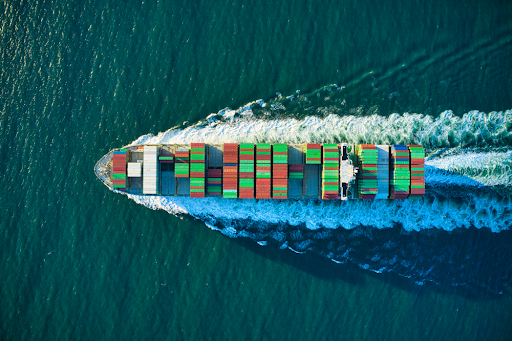
Figure: In merchant trading, an exporter (the merchant) buys goods in one foreign country and arranges for them to be shipped directly to a buyer in another country. All coordination and payments are handled through the merchant's home-country bank, but the goods themselves do not touch home soil.
How Merchant Trading Works
Merchant trading involves a sequence of coordinated contracts and financial transfers. Typically, the process follows these steps:
- Contract with the Foreign Supplier: The merchant enters into a purchase agreement with a supplier in Country A. This contract specifies the goods, quantities, price and that the supplier will ship directly to Country B (the final buyer).
- Contract with the Foreign Buyer: Separately, the merchant arranges a sales agreement with a buyer in Country B for the same goods, usually at a higher price. The merchant's profit is the difference between the selling and buying price.
- Shipment Directly from A to B: The goods are shipped from Country A to Country B without entering the merchant's country. This avoids import duties and simplifies customs compliance for the merchant's home country.
- Financial Settlement via Merchant's Bank: All money transfers go through the merchant's bank account. The merchant pays the supplier in Country A (often in foreign currency) using an authorised dealer bank. Meanwhile, the buyer in Country B pays the merchant.
By handling the transaction through its own banking channels, the merchant ensures compliance with foreign exchange rules and can use tools like buyers' credit or suppliers' credit if needed. This structure is explicitly recognised by regulators. India's central bank defines MTT as "goods go straight from one foreign country to another" and requires the entire trade be routed through an authorised bank.
Benefits for Exporters and Importers
Merchant trading offers several practical advantages:
- Market Access and Flexibility: Merchants can participate in new international markets without investing in warehousing or distribution. A small exporter can sell to distant buyers by leveraging a merchant's network, effectively expanding their global footprint using this method.
- Price Arbitrage: By buying where costs are low and selling where prices are higher, merchants can capture margins. This price difference becomes profit. Indian companies use MTT to earn from price differences and expand trade options.
- Reduced Operational Overheads: Because goods bypass the merchant's country, the exporter saves on import duties and handling. Logistics are simplified (only international shipping in one leg). This efficiency lets exporters focus on securing deals and paperwork rather than warehousing — a flexible and efficient method with fewer logistical complications.
- Lower Working Capital Tied Up: In merchanting, inventory never sits in the merchant's country. The exporter need not finance local import clearance or storage, freeing up capital. If structured as true trade (not consignment), the merchant usually pays the supplier only after confirming the buyer's order, mitigating risk.
- Enhanced Foreign Exchange Earnings: For some countries (like India), merchanting transactions contribute to export figures and forex inflows. The merchant's net earnings increase the country's exports under balance of payments rules. Official guidelines record the purchase as a negative export and sale as a positive export, with net profit recorded as merchanting services.
For importers (buyers) in Country B, merchant trading means they can source goods from abroad without dealing directly with distant manufacturers. The merchant often provides credit terms or handles complexity, allowing the importer to test the market and pay after selling, while the merchant or the bank bears some risk. In practice, importers benefit from the merchant's expertise in international payments and negotiation.
Merchant trading is a powerful tool that allows companies to trade internationally without physical import/export clearance at home — reducing costs, simplifying logistics, and expanding global reach.
Key Benefits of Merchant Trading
- Access to new markets without local presence or inventory.
- Profit from international price differences.
- No import/export duties for the merchant's home country (goods never imported locally).
- Streamlined logistics (single cross-border shipment).
- Potentially improved cash flow (as payment can be timed between legs).
Regulatory Framework and Compliance
Merchant trading is legal and regulated. In India, such transactions are governed under FEMA (foreign exchange law) and specific RBI guidelines, which require completion within 9 months and all settlements through authorized banks. The Goods & Services Tax (GST) does not apply in India because the goods never physically cross Indian customs. Globally, merchanting is also recognised in trade statistics: under the IMF's BPM6 standards, the purchase is a "negative export" and the sale a positive export, with the net profit recorded separately.
Exporters using merchanting must ensure compliance with any export/import restrictions on the goods. For instance, restricted items under any trade policy cannot be merchanted. Documentation requirements usually include purchase and sales invoices, bills of lading (showing direct shipment), and letters of credit or payment guarantees. A merchant must also carefully align shipping and contract terms to meet foreign bank scrutiny – mismatches between the two legs' documents can trigger delays or compliance issues.
Risks and Considerations
- Credit Risk: The merchant assumes risk from both sides. If the foreign buyer defaults, the merchant still owes payment to the supplier. Mitigation can include requiring advance payment or bank guarantees from the buyer (e.g. standby letter of credit).
- Currency and Timing Risk: Exchange rate fluctuations between payment timelines can affect profit. RBI rules (like India's 4-month import payment rule) mean the merchant must manage foreign exchange exposure within prescribed windows.
- Regulatory Breach: Non-compliance with guidelines (e.g. exceeding time limits) can incur penalties or require special approval. RBI in India mandates that the export proceeds must be realized within a set period, else prior approval is needed.
- Legal Risk: Contracts must be carefully drafted to cover the direct delivery and transfer of title between seller and buyer. The merchant usually isn't liable for the goods' quality after sale, but any disputes could indirectly affect the merchant's reputation.
By understanding these factors and ensuring robust documentation, businesses can use merchant trading effectively. An appropriately structured merchanting deal can open new channels and financial instruments like standby letters of credit can mitigate risk when buyers default.
Conclusion
Merchant trading (merchanting) is a powerful tool for exporters and importers to bridge global markets. It allows companies to trade internationally without physical import/export clearance at home, reducing costs and simplifying logistics. Exporters can expand reach and earn additional profits by leveraging price differences, while importers gain access to distant suppliers with flexible terms. However, compliance with regulations and careful risk management are essential. Overall, merchant trading can significantly benefit export-import businesses by enabling faster, leaner participation in the worldwide supply chain.
Disclaimer: The information in this article is for general guidance only and does not constitute legal, financial or trading advice. If you are a buyer looking for a reliable exporter to source, procure and supply products across the globe, please contact us — Vasco Exim Overseas LLP is equipped to support your requirements end-to-end.